Empowering Nigeria's Next Generation of Workforce Talent
Inspiring community-minded, innovative leaders and scholars through direct initiatives and strategic partnership programs across private and public sectors.

How We Create Impact
We invest directly in talent engagement and partner with organizations to develop new pipelines of professional, scholarly, and service-driven Nigerian leaders.
Our evidence-based initiatives are designed to transform, not just train. We develop young people to be not only skilled professionals, but to be civically-engaged, critically thoughtful, and driven to innovate.
Learn More →
Launch Direct Initiatives
We design and run our own education and social welfare programs that directly engage young Nigerians at the grassroots level. Through hands-on participation, these initiatives identify emerging talent and equip them with the skills, confidence, and agency to lead change in their communities.

Co-Create With Partners
We partner with corporations and public sector organizations to co-create innovation challenges, hackathons, mentorship schemes, and professional development programs. Each engagement is tailored to bridge real-world skills gaps while actively involving young people as contributors and problem-solvers, not passive beneficiaries.

Cultivate a Leader Network
We connect high-potential talent from academic and professional institutions with real-world projects that merge industry priorities with community impact. Through sustained engagement, partners gain access to young leaders rigorously developed for skill, innovation, and civic commitment — building a network that drives organizational growth and national progress.
DID YOU KNOW?
of Africa's population is under 25 years old, representing the world's youngest continent with immense human capital potential
Nigeria has over 200 million people, making it Africa's most populous country and largest economy
of Nigeria's population is under 30, creating the largest youth demographic in the world
Africans will be Nigerian by 2050, highlighting the critical importance of investing in Nigerian human capital development
of jobs that will exist in 2030 haven't been invented yet, making adaptable leadership skills essential for Africa's youth
could be added to Africa's GDP by 2025 through improved youth employment and skills development programs
African countries exist, with Nigeria being the continent's economic powerhouse and most populous nation
people will live in Africa by 2050, making it the world's most populous continent
of Africa's youth are unemployed, representing both a challenge and opportunity for development programs
of Nigeria's economy is driven by the informal sector, highlighting the need for structured leadership development
Nigerian youth enter the job market annually, creating immense potential for workforce transformation
of African youth have completed secondary education, yet the continent needs 450 million more skilled workers by 2030
of Nigeria's population lives in rural areas, where leadership development programs can have the greatest transformational impact
of Nigeria's businesses are small and medium enterprises, highlighting the critical need for entrepreneurial leadership skills
mobile phone users exist in Nigeria, creating unprecedented opportunities for digital skills and technology-based leadership development
children in Nigeria are out of school, representing the largest population of out-of-school children globally
of Africa's population will be urban by 2030, requiring new models of civic engagement and urban leadership
could be Africa's GDP by 2030 with proper investment in youth development and leadership capacity building
of Nigeria's workforce is engaged in agriculture, yet the sector needs modernization and innovative leadership approaches
of African women aged 15-24 have no formal education, representing a critical gap in inclusive leadership development
of Nigeria's youth want to start their own businesses, but lack access to mentorship and structured leadership training
is the median age in Nigeria, making it one of the youngest countries globally with immense leadership potential
of university graduates in Nigeria are unemployed within 2 years of graduation, highlighting skills-to-market gaps
in annual remittances flow to Nigeria, indicating the potential for diaspora-driven leadership development programs
languages are spoken across Nigeria, emphasizing the need for culturally-sensitive and inclusive leadership approaches
of Nigeria's internet users are under 35, creating digital-native opportunities for innovative leadership programs
Nigerian youth will enter the workforce in the next decade, representing both challenge and opportunity for development
of African youth have access to quality higher education, making targeted leadership development programs essential
of Nigeria's economy depends on human capital development, making leadership training a national imperative
of Nigeria's GDP comes from services sector, requiring advanced leadership and management skills for growth
is when Nigeria will become the world's 3rd most populous country, making today's youth development investments critical for global impact
News and Insights
Stay current with JAF's latest activities through breaking news, feature articles, and event coverage highlighting our programs, partnerships, and community transformations.
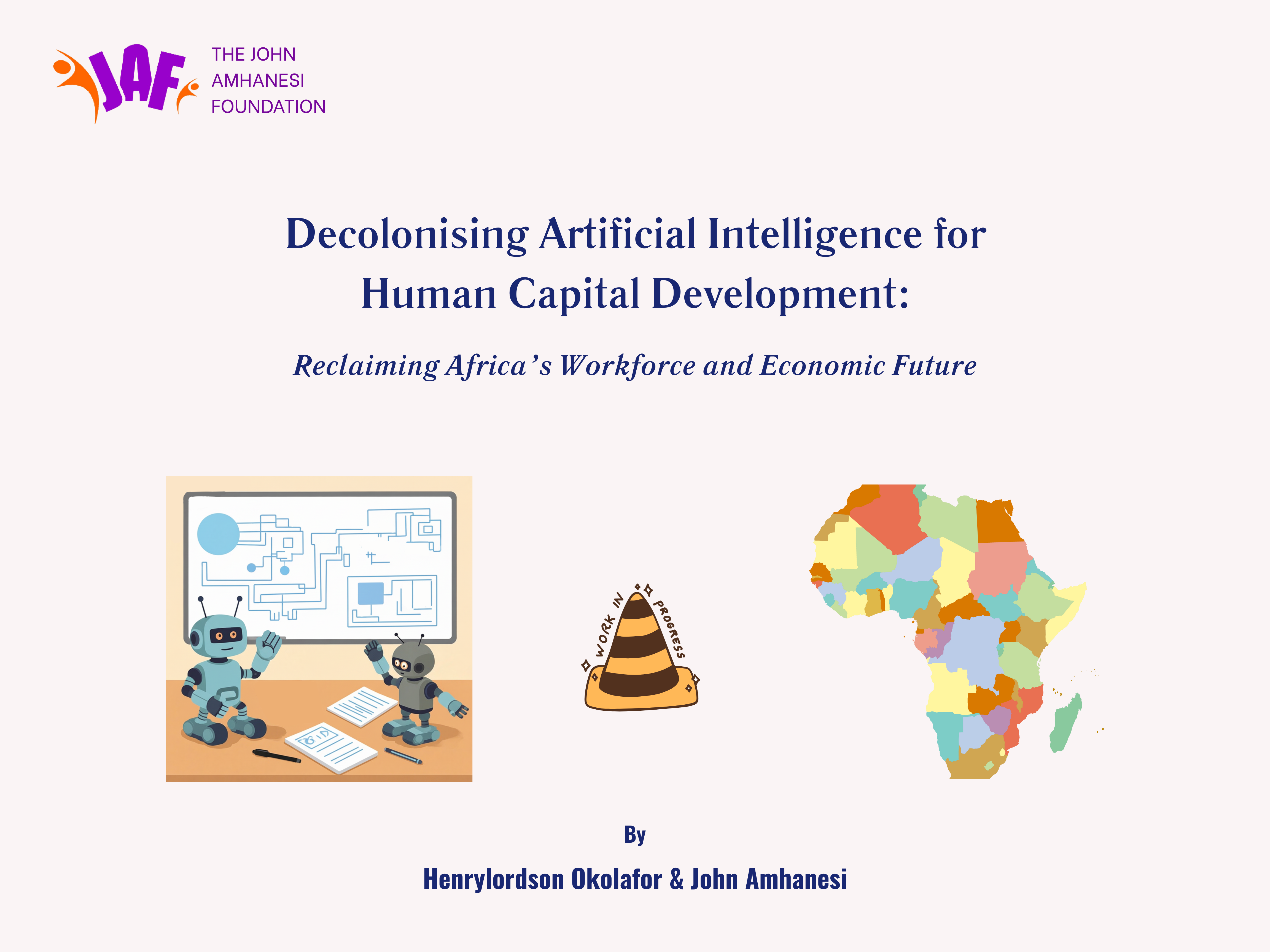
Decolonising Artificial Intelligence for Human Capital Development: Reclaiming Africa's Workforce and Economic Future

BusinessDay Features JAF's Transformative Approach to Workforce Development

Our CEO Invited as a Mentor for the Mercedes-Benz beVisioneers Fellowship and Alternate Member of the CIVICUS Youth Action Team
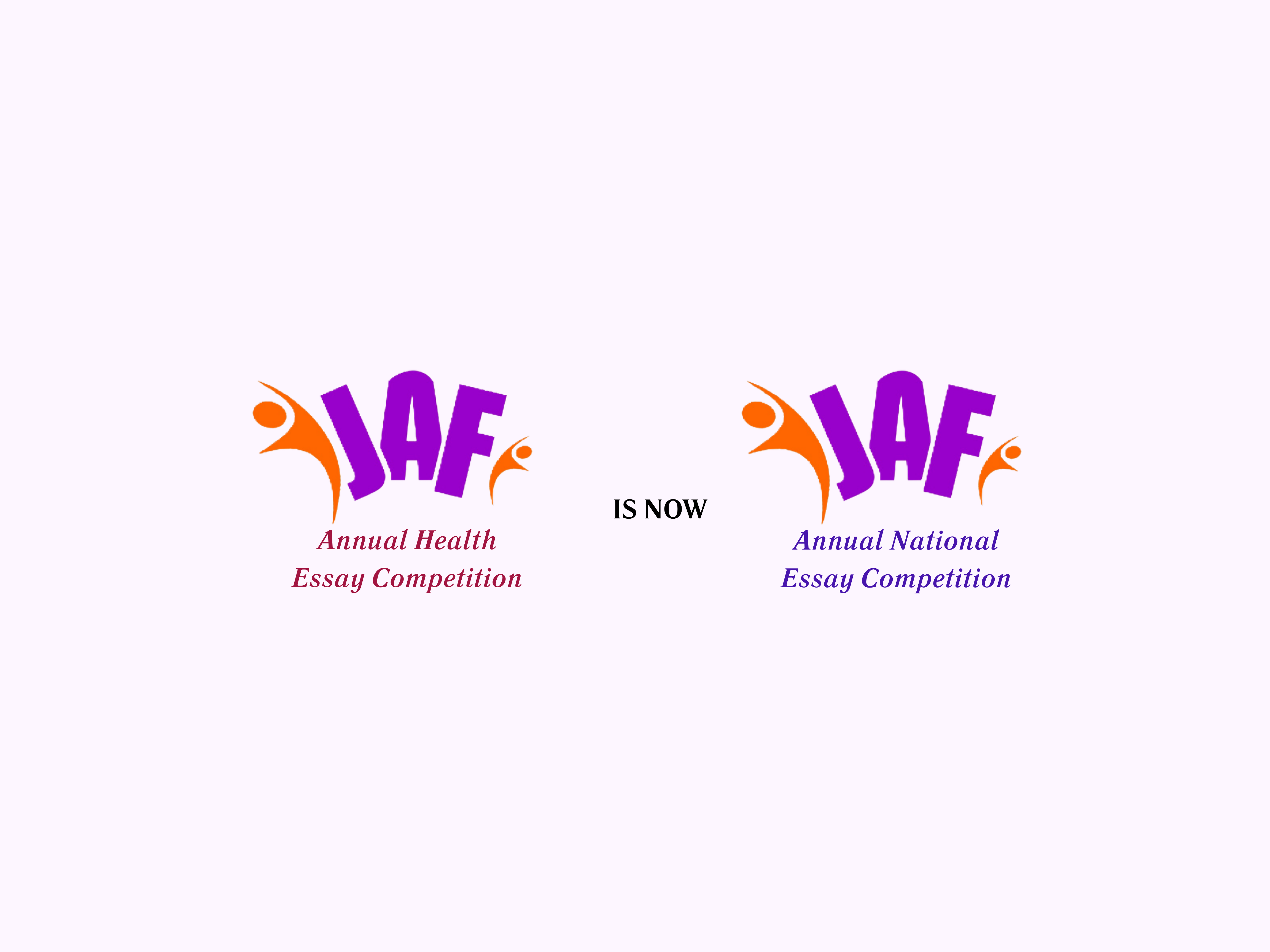
JAF Announces National Expansion and Changes to its Annual Essay Competition Program

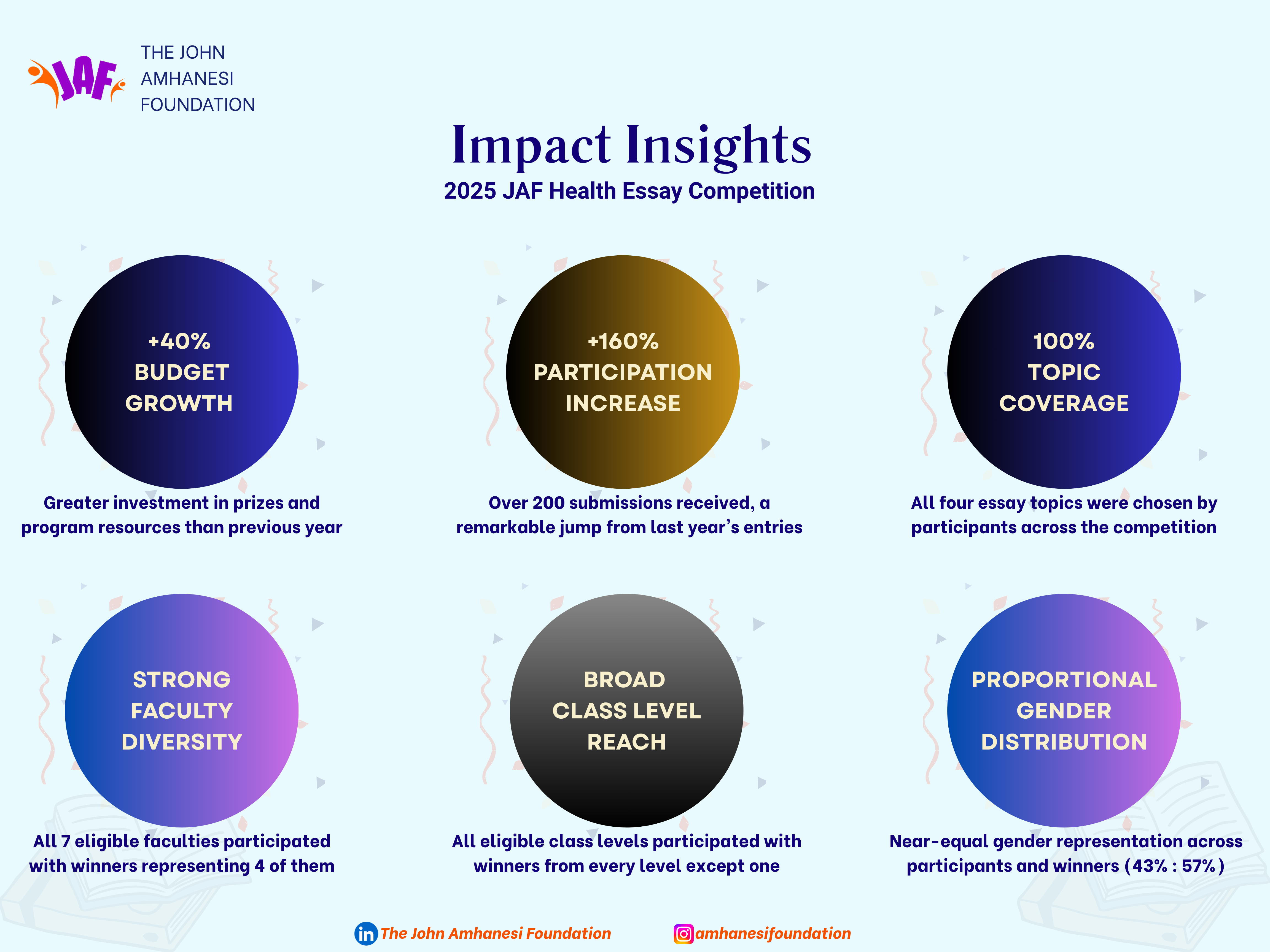
Record Growth: 2025 Health Essay Competition Celebrates 160% Participation Increase
Academy of Public Policy and Research (A2PRe)
A2PRe is an education initiative of our Internal Programs Division. A2PRe is dedicated to building Nigeria's foremost pipeline of policy innovators. Through hands-on research projects, cohort-based fellowships, immersive policy dialogues, and influential publications, we empower young Nigerians with the skills to drive innovation, lead advocacy initiatives, and shape more equitable, inclusive, and resilient societies.
Learn More →
Annual National Essay Competition
An education initiative of our Internal Programs Division, the essay competition is a national platform challenging college students to explore, critique, and propose transformative ideas across all disciplines for Nigeria's future and its role in the global community. Each year's theme reflects our mission to empower young leaders to think critically, engage boldly, and design context-driven solutions for national development.
Learn More →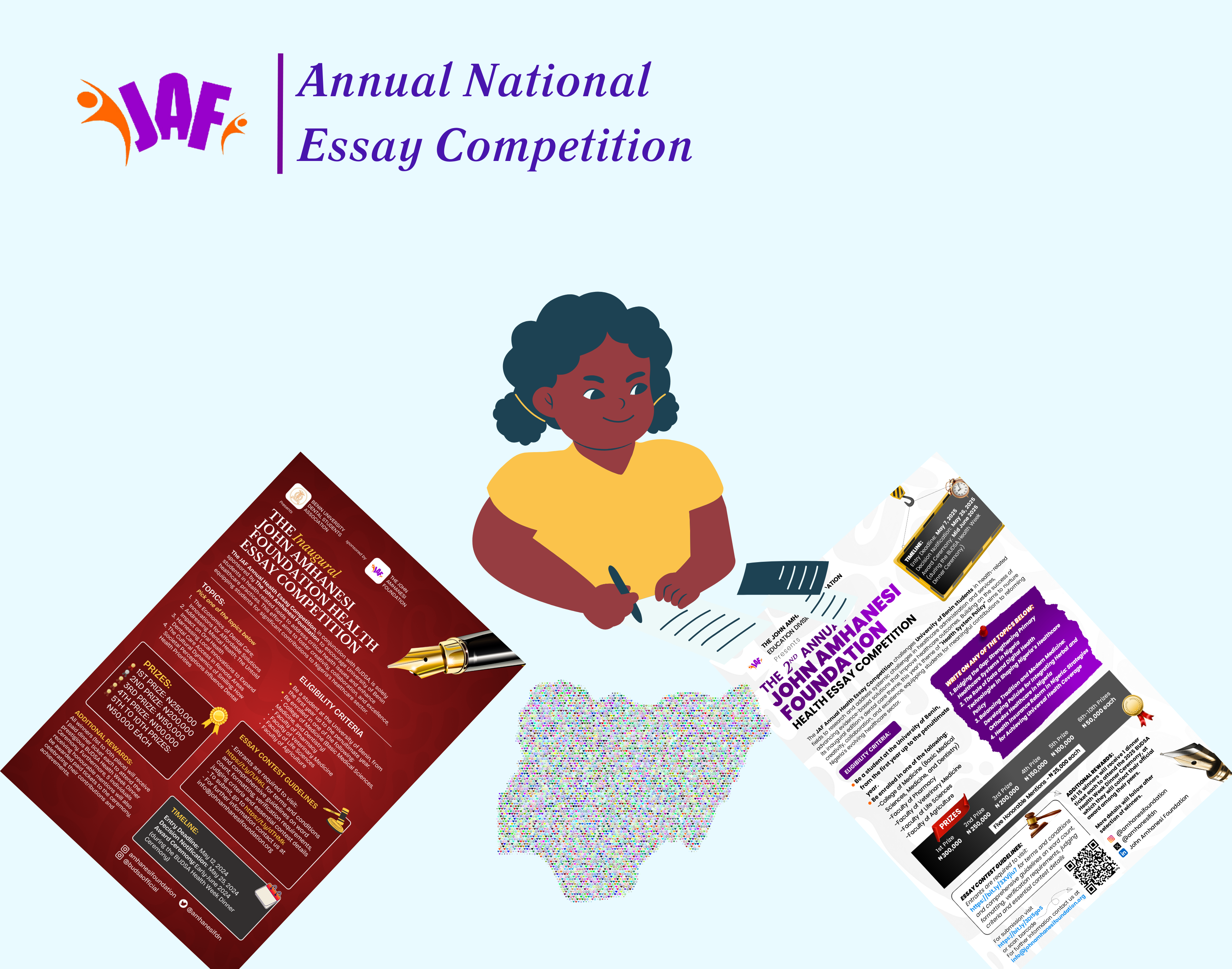
MaJAA Scholars Program
This scholarship is the flagship social welfare initiative of our Internal Programs Division. It provides comprehensive tuition and academic support to high-achieving, under-resourced students across Nigeria. Beyond financial aid, each scholar is engaged in leadership development, mentors a team of secondary school students, and implements a year-long community capstone project. The program aims to build a network of youth leaders who rise above systemic barriers to create sustainable change.
Learn More →
Mental Advocate Grassroots Network (MAGNet)
MAGNet is a flagship social welfare initiative of our Internal Programs Division. This youth-led initiative builds local networks of mental health advocates, strengthening Nigeria's human capital by equipping young leaders with the skills to destigmatize mental health, promote access to care, and drive systemic change within their communities.
Learn More →
Digicademy Fellowship
Digicademy is an education initiative of our Internal Programs Division. This fellowship equips underserved high school and pre-college students with foundational software development skills, digital tool proficiency, and direct industry mentorship. The program is designed to unlock potential and prepare determined young Nigerians to thrive in the global digital economy.
Learn More →
Fincademy Fellowship
Fincademy is an education initiative of our Internal Programs Division. This fellowship introduces underserved high school and pre-college students to core principles of financial literacy, economic systems, and entrepreneurial thinking, supported by dedicated industry mentorship. The program aims to build a generation of youth who are equipped to achieve personal economic security and drive broader financial inclusion in their communities.
Learn More →
Last Mile Grant
The Last Mile Grant is a social welfare initiative of our Internal Programs Division. It provides immediate financial support to high-achieving students with a demonstrated commitment to community service who encounter sudden, catastrophic hardship. This intervention acts as a vital safety net, ensuring that a moment of personal crisis does not permanently derail the education or long-term contributions of Nigeria's most dedicated young leaders.
Learn More →

Drive Impact With Us
Join organizations shaping Nigeria's future or become part of the leaders building it.
Assessments and Studies
Access our evidence-based research, comprehensive impact assessments, and newsletters documenting our measurable outcomes in Nigerian workforce development.